
Reliable Bed Adhesion Methods for PETG and PETG-Basic Printing Success
Introduction
Getting the first layer right is one of the most important parts of successful 3D printing. Even the best-designed model can fail if it does not stick properly to the build plate. This is especially true when printing with PETG and PETG-Basic, two popular filament choices that combine strength, durability, and excellent print quality. While these materials are generally easier to print than some engineering plastics, poor bed adhesion can still lead to lifting corners, uneven layers, or complete print failures.
Choosing the right bed preparation method, printer settings, and filament quality can dramatically improve printing success. Manufacturers such as eSUN have developed PETG filament solutions that provide consistent extrusion, stable dimensional accuracy, and dependable performance across many desktop FDM 3D printers. Whether you are printing functional parts, mechanical components, or decorative models, understanding reliable bed adhesion methods will help you achieve smoother first layers, reduce wasted material, and improve overall print quality.
Understanding Why Bed Adhesion Matters for PETG and PETG-Basic
A successful print begins long before the nozzle starts laying down plastic. The build plate must provide enough grip to keep the first layer in place while allowing the finished model to be removed without damage. PETG naturally offers excellent layer bonding, but that same characteristic can create unique adhesion challenges if the printer is not properly configured. Too little adhesion causes the print to warp or detach during printing, while excessive adhesion may damage certain build surfaces during removal.
High-quality PETG filament plays a significant role in achieving reliable results. Premium materials maintain consistent diameter, contain fewer impurities, and absorb less moisture when properly stored. These qualities contribute to stable extrusion and uniform first layers. PETG-Basic is designed to provide dependable printing performance while remaining easy to use for beginners and experienced makers alike. Combined with proper printer calibration, quality filament reduces common first-layer issues and creates a strong foundation for successful prints.
Choosing the Best Build Surface for Consistent First Layers
The type of build surface greatly affects how well PETG adheres during printing. Different materials provide varying levels of grip, heat distribution, and ease of print removal. PEI spring steel sheets are among the most popular choices because they offer reliable adhesion when heated correctly while making finished prints easier to remove after cooling. Textured PEI surfaces also help reduce excessive sticking, which can sometimes occur with smooth surfaces.
Glass build plates remain another common option for PETG printing. Many users apply a thin layer of glue stick or a suitable release agent before printing. This creates a protective barrier that improves adhesion while preventing the PETG from bonding too aggressively to the glass. Flexible magnetic build plates, coated steel sheets, and specialized printing surfaces also perform well when matched with proper bed temperatures. Selecting the right surface for your printer and maintaining it with regular cleaning can significantly improve print consistency and reduce failed prints.
Optimizing Bed Temperature and First Layer Settings
Correct temperature settings are essential for creating strong first-layer adhesion. Most PETG filament prints successfully with bed temperatures between 70°C and 85°C, although the ideal setting depends on the specific filament brand, printer, and ambient environment. PETG-Basic typically performs well within similar temperature ranges, allowing users to achieve dependable adhesion without excessive warping. Running simple temperature tests helps identify the ideal setting for each printer setup.
First-layer print settings also deserve careful attention. A slower first-layer speed gives the filament more time to bond with the build surface while reducing the chance of uneven extrusion. Increasing the first-layer line width slightly can improve contact area, resulting in stronger adhesion. Proper nozzle height is equally important because a nozzle positioned too high creates weak bonding, while one positioned too low may restrict filament flow. Careful calibration of the Z-offset and bed leveling system provides the consistent first layers needed for successful PETG printing.
Keeping the Print Bed Clean and Properly Prepared
Even excellent printer settings cannot overcome a dirty build surface. Oils from fingerprints, dust, leftover adhesive, and filament residue reduce the ability of PETG to stick evenly across the print bed. Regular cleaning with isopropyl alcohol removes contaminants and restores the surface to optimal printing condition. For stubborn residue, following the build plate manufacturer’s recommended cleaning method helps maintain long-term performance without damaging the surface.
Preparation methods vary depending on the chosen build plate. Some users apply glue sticks, while others use specialized bed adhesion products designed for 3D printing. These products create a controlled bonding layer that supports consistent adhesion while protecting the build surface during print removal. Avoid applying excessive adhesive, as this may create uneven first layers or leave unwanted residue on the finished model. A clean, properly prepared build plate often solves many common adhesion problems before they begin.
Selecting Quality PETG Filament for Reliable Printing Performance
Filament quality has a direct impact on bed adhesion and overall print success. Consistent filament diameter allows the printer to extrude material evenly throughout the first layer, reducing gaps and improving surface contact. Moisture absorption is another important consideration because wet filament can produce bubbles, inconsistent extrusion, and weak adhesion. Proper storage in sealed containers with desiccants helps maintain filament quality between printing sessions.
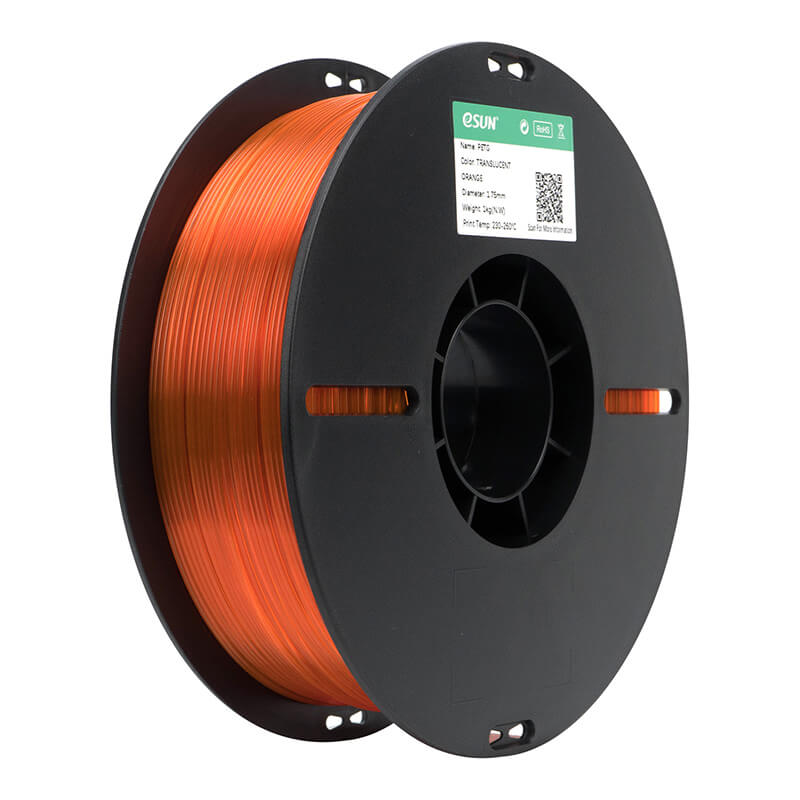
Many users choose PETG filament from trusted manufacturers because consistent production standards support predictable printing performance. eSUN has built a strong reputation within the 3D printing community by offering reliable materials designed for hobbyists, educators, engineers, and businesses. Their PETG filament and PETG-Basic products are manufactured to provide stable extrusion, accurate dimensional tolerance, and dependable mechanical properties suitable for functional prototypes, mechanical components, educational projects, and everyday printing applications. Choosing high-quality filament reduces troubleshooting time and increases confidence during long or complex print jobs.
Common Bed Adhesion Problems and Practical Solutions
Even experienced users occasionally encounter first-layer challenges. Warping often occurs when the bed temperature is too low, the printer experiences drafts, or the first layer does not fully contact the build plate. Improving bed leveling, increasing the bed temperature within the recommended range, and enclosing the printer in cooler environments can reduce these issues. Printing with a brim may also provide additional surface area that improves stability for narrow or tall models.
Excessive adhesion presents the opposite problem. PETG sometimes bonds so strongly to smooth glass or PEI surfaces that removing the print becomes difficult. Applying a thin release layer, allowing the build plate to cool completely before removal, or using flexible build plates helps prevent surface damage. Regular printer maintenance, firmware updates, nozzle inspection, and periodic calibration also contribute to reliable first-layer performance. Small adjustments often produce significant improvements, making troubleshooting more efficient and helping users achieve consistently successful prints with PETG and PETG-Basic.
Conclusion
Reliable bed adhesion is the foundation of every successful PETG print. From selecting the right build surface to optimizing bed temperature, cleaning the print bed, and using consistent first-layer settings, each step contributes to better print quality and fewer failed jobs. Combining these best practices with quality PETG filament allows users to produce stronger parts, smoother surfaces, and more dependable printing results across a wide variety of applications.
For makers seeking consistent performance, choosing dependable materials is just as important as proper printer setup. High-quality PETG and PETG-Basic products from trusted manufacturers such as eSUN are designed to support stable extrusion, excellent dimensional accuracy, and reliable printing experiences. By following proven bed adhesion methods and maintaining good printing habits, users can enjoy greater success with every project while maximizing the full potential of modern PETG 3D printing filament.

