A Property Owner’s Guide to Understanding Rodent Infestations
Introduction
Rodents can become a serious concern for homeowners, landlords and business operators. Rats and mice are adaptable animals that can find shelter in buildings, access food supplies and move through small openings that may go unnoticed during routine property maintenance. Although an infestation may begin with occasional noises or a few droppings, the problem can develop quickly if the conditions attracting rodents are not addressed.
Effective prevention starts with understanding why rodents enter buildings, how they behave and what signs indicate their presence. It also requires a structured response when an infestation has already developed. Simply removing the rodents that are visible may not be enough if nesting areas, food sources or access points remain available.
Why Rodents Choose Certain Properties
Buildings provide many of the things rats and mice need to survive. Warm spaces, sheltered corners, accessible food and nearby water sources can make residential and commercial premises attractive places to explore.
Properties with neglected storage areas, poorly maintained external walls or unsecured waste containers may offer particularly favourable conditions. Rodents can also move between neighbouring buildings, gardens, drainage networks and commercial waste areas.
Common factors that may attract rodents include:
- Food waste left in accessible bins.
- Pet food stored in open containers.
- Unsealed gaps around pipes and utility connections.
- Cluttered garages, sheds and storage rooms.
- Damaged air vents or external building materials.
- Overgrown outdoor spaces providing shelter.
- Openings in drainage systems or other underground structures.
Addressing these conditions can reduce the likelihood of rodents settling around a property. However, an established infestation may require professional inspection and treatment.
Recognising Early Warning Signs
Rodents are often active when buildings are quiet, which means people may notice evidence of their presence before seeing an actual rat or mouse. Recognising these clues early can help prevent a small problem from becoming more difficult to manage.
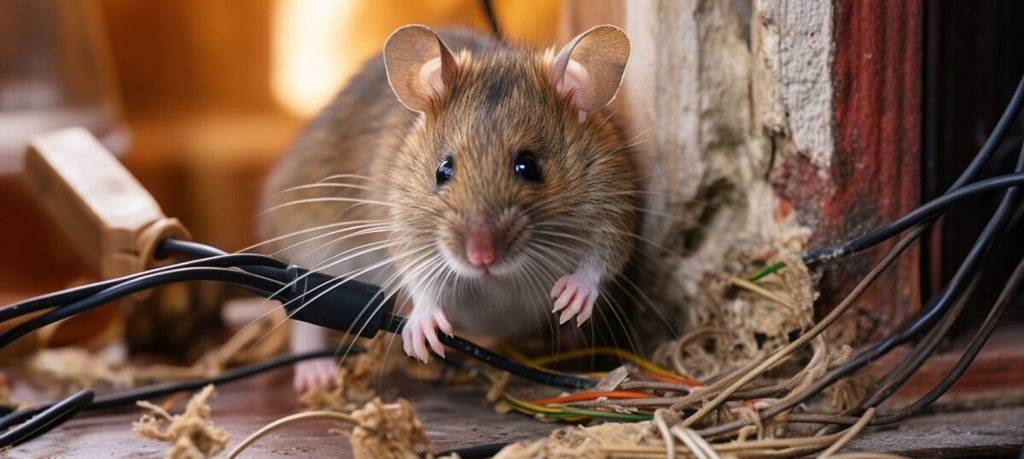
Droppings are among the most recognisable signs. They may appear near food storage areas, behind appliances, along walls or inside cupboards. Gnawing marks can also indicate activity, particularly around packaging, wooden materials and accessible cables.
Other signs worth investigating include:
Unusual noises: Scratching, movement or occasional squeaking behind walls, beneath floors and in ceilings may indicate rodent activity.
Nesting materials: Shredded paper, fabric, insulation and other soft materials may be collected in sheltered locations.
Smear marks: Regular movement along walls and narrow routes can leave visible marks where rodents repeatedly travel.
Damaged packaging: Food containers, cardboard boxes and stored products may show signs of gnawing.
Distinctive odours: A persistent unpleasant smell in an enclosed area may indicate nesting or prolonged rodent activity.
One sign alone does not always confirm an infestation, but several indicators together should encourage a closer inspection.
Understanding Why DIY Measures Sometimes Fail
When people discover rodents, their first response is often to purchase traps or other products from a local shop. These measures may help in certain situations, but they do not automatically address every part of an infestation.
The main challenge is understanding the scale and source of the problem. A trap placed in one room may catch an individual rodent while others continue using different routes around the property. If food remains accessible or entry points are not sealed, the building may continue to attract new activity.
Incorrect placement of control equipment can also reduce its effectiveness. Rodents tend to follow established routes and may avoid unfamiliar objects or changes to their environment.
A more reliable response begins with identifying where rodents are active, determining how they are entering and selecting appropriate treatment methods. Professional assessment can help establish which areas need attention and whether additional preventative work is required.
What a Professional Rodent Inspection Should Consider
A thorough inspection is an important starting point for managing an infestation. It allows a specialist to assess visible evidence, identify potential access points and understand the conditions surrounding the problem.
The inspection may cover kitchens, lofts, basements, storage spaces, external walls, gardens and other areas where rodents could travel or nest. Particular attention should be given to gaps around pipes, damaged vents, doors, drains and openings near the ground.
The specialist may also consider the type of rodent involved. Rats and mice differ in their behaviour, preferred nesting locations and movement patterns, so the appropriate response can vary.
A tailored treatment plan may include suitable trapping methods, responsibly managed rodenticide applications where appropriate, proofing recommendations and advice on improving hygiene. The choice of method should reflect the property’s layout, the level of activity and the presence of children, pets or non-target wildlife.
The Importance of Finding Entry Points
Removing existing rodents is only part of the process. If they can continue entering the property, the risk of another infestation remains.
Small openings around service pipes, damaged air bricks, broken vents and gaps beneath doors can provide access. Rats may also use defective underground drainage systems to move through areas that are not easily visible from inside a building.
This is why inspection should extend beyond the room where the first signs were discovered. Understanding how rodents are travelling can help property owners identify the areas that need repair or proofing.
Where appropriate, openings can be secured using suitable materials such as durable mesh, grilles or other professional proofing solutions. Repairs should maintain necessary ventilation and building functions while preventing unwanted access.
How Professional Treatment Supports Better Results
Professional Rodent control involves more than placing traps or bait. It combines inspection, appropriate treatment, monitoring and preventative advice to address the circumstances that allow rodents to remain active.
The exact approach depends on the infestation. A minor mouse problem in a storage area may require a different response from a more extensive rat infestation involving several parts of a commercial building.
Treatment should be carried out with attention to safety and relevant regulations. Control equipment must be selected and positioned carefully to minimise risks to people, pets and other wildlife.
Follow-up visits can also be valuable. They allow the specialist to review activity, assess the effectiveness of the measures taken and recommend any additional work that may be necessary.
For households and businesses in Chelmsford and surrounding areas, professional Rodent control services near me can provide a starting point for assessing an infestation and choosing suitable measures to address it.
Special Considerations for Businesses
Commercial properties often face additional challenges because they may contain food storage areas, deliveries, waste facilities and large spaces that are difficult to inspect regularly.
Restaurants, warehouses, retail units and offices should maintain clear procedures for waste handling and routine cleaning. Staff should know how to report suspected rodent activity, and storage areas should be organised to make inspections easier.
Businesses handling food should be particularly attentive to hygiene requirements. Rodent contamination can affect stored goods, work surfaces and packaging, potentially creating operational and reputational problems.
Depending on the premises and level of risk, scheduled pest inspections or ongoing monitoring arrangements may be appropriate. These measures help identify developing issues before they become more disruptive.
Practical Habits That Reduce the Risk of Infestation
Prevention is most effective when it becomes part of ordinary property maintenance. Small, consistent actions can make a building less attractive to rodents and help reveal problems before they become established.
Property owners can improve protection by:
- Keeping food and animal feed in sealed containers.
- Cleaning spills and food debris promptly.
- Using bins with secure lids.
- Removing unwanted clutter from storage areas.
- Checking external walls and service openings regularly.
- Maintaining doors, vents and drainage access points.
- Avoiding the accumulation of rubbish near buildings.
- Investigating unusual noises or signs of rodent activity quickly.
These steps cannot guarantee that rodents will never enter a property, but they can reduce common opportunities for access, shelter and food.
Taking Action Before the Problem Escalates
Rodent infestations should not be ignored, even when the initial signs appear minor. Rats and mice can damage materials, contaminate food and create risks for people using the affected building. Delaying an investigation may also allow rodents more time to establish nesting areas and movement routes.
A sensible response combines early detection with a clear understanding of the property’s specific risks. Professional assessment, appropriate treatment, repairs and ongoing prevention all contribute to a more complete solution.
For homeowners, landlords and businesses, the aim should be to address both the rodents currently present and the conditions that made the property attractive in the first place. With consistent maintenance and timely professional support, it becomes easier to protect buildings and reduce the likelihood of recurring problems.