How to Choose the Best Court Reporting Firm: 7 Essential Factors for Legal Professionals
Choosing the right court reporting firm is an important decision for attorneys, law firms, insurance companies, corporate legal departments, and litigation professionals. Court reporters help preserve testimony, create accurate transcripts, and maintain a dependable record of depositions, hearings, arbitrations, and trials.
However, a professional court reporting firm offers more than transcription. It can help coordinate deposition schedules, arrange remote proceedings, manage exhibits, provide legal videography, and deliver transcripts in formats that support case preparation. The quality of these services can influence how efficiently legal teams manage discovery and prepare for trial.
With numerous providers offering different services and technologies, selecting the right partner requires careful evaluation. Understanding the most important factors can help legal professionals choose a court reporting firm that meets their procedural requirements, protects sensitive information, and supports their litigation workflow.
What Does a Court Reporting Firm Do?
A court reporting firm provides professional services that document spoken testimony and support legal proceedings. Its primary responsibility is to help create an accurate record that attorneys and other authorized parties can review when preparing motions, evaluating evidence, negotiating settlements, or presenting a case.
Depending on the provider, services may include deposition reporting, certified transcripts, real-time reporting, remote deposition coordination, legal videography, transcription, interpreting, and trial presentation support.
Some firms also provide document scanning, exhibit management, transcript summaries, and nationwide scheduling assistance. Having access to multiple services through one provider can simplify communication and reduce the administrative burden associated with coordinating separate vendors.
7 Factors to Consider When Selecting a Court Reporting Firm
1. Accuracy and Professional Experience
Transcript accuracy should be a primary consideration when evaluating a court reporting firm. Legal transcripts may be referenced months or years after a deposition, making precise documentation essential.
Look for providers with qualified, experienced court reporters who understand legal terminology, deposition procedures, and the importance of maintaining a clear record. Experience with specialized subject matter can also be valuable.
For instance, a medical malpractice deposition may involve complex anatomical terms, medication names, and clinical procedures. A construction dispute may require familiarity with technical measurements, engineering terminology, and project documentation.
Ask prospective providers about their quality-control procedures, reporter qualifications, and transcript review processes. You should also confirm whether certified transcripts, expedited delivery, and real-time reporting are available when needed.
2. Comprehensive Deposition Services
A dependable court reporting firm should offer services that match the requirements of different legal proceedings.
Some cases require traditional in-person depositions, while others benefit from remote or hybrid arrangements. A provider that supports multiple formats can help legal teams accommodate witnesses and attorneys in different locations.
Before choosing a firm, determine whether it can coordinate scheduling, deposition facilities, electronic exhibits, interpreters, and transcript delivery. Ask how last-minute changes are managed and who will be responsible for resolving logistical issues.
For law firms handling numerous cases, consistent procedures can reduce repetitive administrative work and help ensure that each deposition is properly organized.
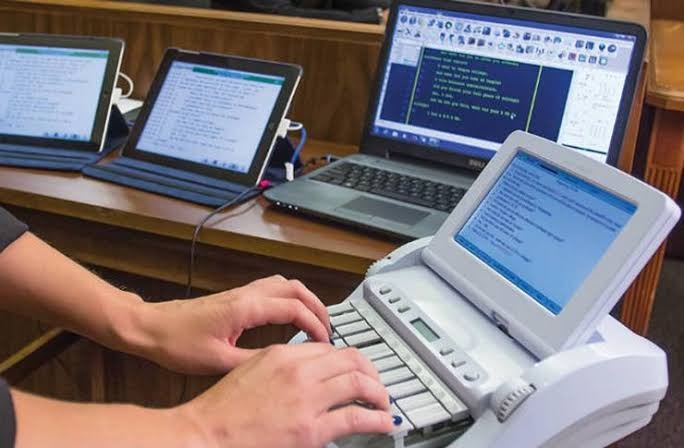
3. Advanced Technology and Real-Time Reporting
Technology has become an important component of modern court reporting. Real-time reporting allows attorneys to view testimony as it is captured, helping them identify important statements and prepare follow-up questions during a deposition.
Digital transcripts, searchable text, electronic exhibits, and synchronized video can also improve how legal teams organize and review evidence.
When evaluating a provider, ask which transcript formats are available and whether its technology integrates with your existing case-management workflow. If your case involves remote participants, confirm that the provider can support secure video conferencing and reliable exhibit sharing.
Technology should improve efficiency without compromising the accuracy or integrity of the legal record.
4. Legal Videography and Trial Presentation Support
Written transcripts are essential, but some cases also benefit from video-recorded testimony. Legal videography captures a witness’s verbal responses and visual presentation, subject to applicable rules and the intended use of the recording.
Video may be particularly useful when testimony could be presented at trial or when attorneys need to review a witness’s delivery and demeanor.
Some court reporting firms offer synchronized video and transcripts, allowing users to locate particular statements quickly. Trial presentation services may also help legal teams organize exhibits, deposition clips, photographs, and other evidence for courtroom use.
Discuss these requirements early in the case. Planning ahead can help ensure that recordings, transcripts, and exhibits are prepared in suitable formats.
5. Responsive Scheduling and Customer Service
Reliable communication is essential when coordinating depositions and other legal proceedings. Dates may change, witnesses may require interpreters, and attorneys may need expedited transcripts to meet court deadlines.
A professional court reporting firm should provide clear scheduling confirmations, explain available services, and communicate delivery expectations before the proceeding begins.
Dedicated scheduling support or a case manager can be especially helpful for firms managing multiple depositions simultaneously. Rather than contacting several departments to resolve an issue, legal teams may be able to work through a single point of contact.
Evaluate a provider’s responsiveness during the initial inquiry. Clear answers and organized communication can offer useful insight into how the company manages its assignments.
6. Confidentiality and Secure Document Handling
Court reporting providers may handle sensitive information, including medical records, financial statements, employment documents, trade secrets, and confidential business communications.
Before hiring a firm, ask how it protects transcripts, recordings, exhibits, and remote meeting access. Determine whether files are delivered through secure portals or other appropriate methods and how access to case materials is controlled.
It is also worth reviewing the provider’s confidentiality practices, data-retention procedures, and approach to correcting transcript errors.
Strong information-handling procedures help legal teams manage confidential materials responsibly while reducing unnecessary exposure of sensitive information.
7. Transparent Pricing and Dependable Delivery
Cost is an important consideration, but the lowest quoted price does not always provide the best overall value.
Court reporting fees may depend on the proceeding’s duration, transcript length, delivery speed, location, and additional services such as videography or real-time reporting.
Ask for a clear explanation of standard rates, potential additional charges, cancellation policies, and expedited delivery fees. Confirm the expected transcript turnaround time before booking, especially if the document is needed for a motion, mediation, arbitration, or trial.
A provider that communicates pricing and delivery expectations clearly can help legal teams budget accurately and avoid unexpected administrative complications.
Benefits of Working With a Full-Service Court Reporting Firm
Working with a full-service provider can simplify litigation logistics by bringing several related services together. Instead of coordinating separate companies for court reporting, video recording, transcription, interpreting, and trial support, legal teams may be able to arrange these services through one organization.
This approach can reduce communication gaps and make it easier to maintain consistent procedures across multiple proceedings.
For example, a law firm managing a complex commercial dispute may need depositions in several cities, remote access for out-of-state attorneys, video-recorded testimony, and expedited transcripts. A provider capable of coordinating these requirements can help streamline the process.
Nevertheless, the right service package depends on the case. Legal teams should select the services they genuinely need rather than paying for unnecessary features.
Questions to Ask Before Hiring a Court Reporting Firm
Before making a final decision, ask prospective providers:
- What qualifications and experience do your court reporters have?
- Can you accommodate in-person, remote, and hybrid depositions?
- What transcript formats and delivery timelines do you offer?
- Do you provide legal videography and trial presentation services?
- How do you protect confidential records and exhibits?
- Can you coordinate interpreters and nationwide assignments?
- Who will manage scheduling and address last-minute changes?
- How are fees, expedited services, and additional charges calculated?
Comparing the answers can help you evaluate providers based on service quality, reliability, and suitability for your legal requirements.
Conclusion
Selecting the right court reporting firm involves more than finding an available reporter. Accuracy, professional experience, technology, scheduling support, confidentiality, and dependable transcript delivery all contribute to an effective litigation workflow.
By evaluating these seven factors, legal professionals can identify a provider that supports their specific needs, helps preserve testimony, and simplifies deposition and trial preparation. A reliable court reporting partner should make legal proceedings easier to coordinate while maintaining a strong focus on the accuracy and integrity of the record.