The Evolution of Home Entertainment: How Digital Technology Is Changing Television
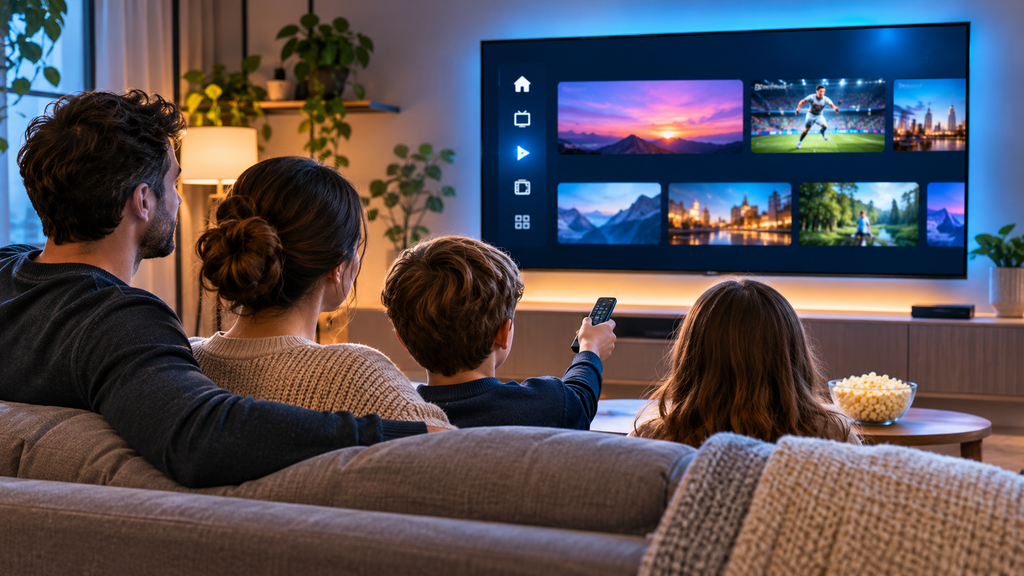
Television has changed considerably over the years. What was once a simple household activity based on scheduled broadcasts has gradually become a more flexible digital experience. Improvements in internet connectivity, smart devices, and streaming applications have introduced new ways for audiences to access entertainment.
Today, viewers have greater control over their entertainment choices. They can explore international programs, watch movies on demand, follow live events, and access digital libraries using different devices.
This transformation reflects a wider shift in consumer expectations. Convenience, accessibility, content variety, and ease of use have become important factors when choosing modern entertainment platforms.
The Changing Habits of Television Viewers
For decades, television schedules determined what audiences could watch and when they could watch it. Broadcasters selected programming times, while viewers organized their daily routines around their favorite shows.
Although this approach offered a familiar experience, it provided limited flexibility. Missing a program often meant waiting for another broadcast or finding an alternative source.
The introduction of online entertainment platforms changed these habits. Viewers gradually became accustomed to selecting programs independently rather than relying entirely on predetermined schedules.
On-demand libraries, digital subscriptions, and streaming applications have contributed to this development.
However, scheduled broadcasting remains relevant. Live sporting events, breaking news, and major cultural occasions continue to attract audiences who prefer watching events as they happen.
The Expansion of Digital Entertainment Platforms
Internet-based entertainment has introduced new possibilities for distributing television programs and audiovisual content.
Instead of relying exclusively on conventional broadcasting infrastructure, digital platforms can deliver media through connected networks. This allows compatible devices to access different types of entertainment through dedicated applications.
Depending on the platform, available features may include:
- Live television broadcasts.
- Movies and television series.
- On-demand entertainment libraries.
- Previously broadcast programs.
- Digital program schedules.
- International entertainment categories.
The availability of these features varies between providers and applications.
Another important development is the growing integration of different entertainment formats. Some platforms combine live programming with on-demand libraries, creating a more unified viewing environment.
This approach reflects the increasing demand for entertainment that fits individual schedules and preferences.
Why User Experience Matters
A large entertainment library does not necessarily guarantee a satisfying experience.
When users have access to hundreds of programs, finding relevant content can become difficult without an effective navigation system.
Interface design therefore plays an important role in modern entertainment applications.
A well-designed platform should offer clear menus, recognizable categories, responsive controls, and straightforward navigation. These elements help viewers locate content without spending unnecessary time searching.
Search functionality is particularly useful when users already know what they want to watch. Rather than navigating through multiple sections, they can search directly for a specific title or category.
Favorites and customized lists can also simplify everyday browsing.
Ultimately, a good interface should make entertainment accessible without requiring users to understand complicated technical settings.
Personalization and Modern Viewing Preferences
Every household has different entertainment preferences.
Some viewers enjoy documentaries and educational programs, while others prefer movies, international productions, sports, or children’s entertainment.
Modern digital applications increasingly recognize these differences by offering tools that allow users to organize their viewing environments.
Common personalization options include:
- Creating lists of frequently watched programs.
- Organizing entertainment into categories.
- Selecting preferred audio and subtitle settings.
- Adjusting playback preferences.
- Managing favorite channels and content.
- Customizing certain interface elements.
These options help users create a more convenient entertainment experience.
Personalization is also becoming increasingly important because audiences are familiar with recommendation systems used by other digital platforms.
However, customization should remain optional. Some people prefer personalized suggestions, while others enjoy discovering programs through independent browsing.
International Entertainment and Cultural Diversity
Access to international programming has become increasingly important for audiences interested in different languages and cultures.
People living abroad may want to follow news from their home countries, watch familiar television programs, or remain connected with regional entertainment.
Others enjoy discovering foreign productions, international documentaries, and television programs that are not commonly available through local broadcasting packages.
Digital distribution has created additional opportunities for authorized broadcasters and content providers to reach international audiences, depending on their licensing arrangements.
Canada is an interesting example of a market where cultural and linguistic diversity influences entertainment preferences.
When researching for Premium IPTV service in Canada, viewers may consider factors such as international channel availability, language options, supported devices, subscription conditions, and overall usability.
The availability of particular programs can depend on regional distribution agreements and broadcasting rights.
For this reason, consumers should examine content information carefully before choosing an entertainment platform.
Electronic Program Guides and Better Organization
Electronic Program Guides, commonly known as EPGs, help viewers navigate scheduled television programming.
These digital guides display information about current and upcoming broadcasts, making it easier to identify programs without opening every channel individually.
A useful program guide may include:
- Program names and descriptions.
- Broadcasting schedules.
- Current and upcoming shows.
- Channel information.
- Categories and scheduling details.
For people who regularly follow live broadcasts, these tools can make everyday television navigation considerably easier.
However, the quality of an electronic guide depends on the accuracy of its information. Incorrect schedules and missing program descriptions can reduce its usefulness.
Compatibility is another consideration because different applications may support different guide formats.
A clear and regularly updated program guide can significantly improve the overall organization of a digital entertainment platform.
The Growing Role of Connected Devices
Entertainment is no longer restricted to traditional television sets.
Smartphones, tablets, computers, and streaming devices have expanded the ways people access digital content.
Smart TVs are particularly popular because they allow users to install compatible applications directly onto their television screens.
Other devices offer additional flexibility:
Streaming sticks: Compact devices that connect to compatible televisions and provide access to supported entertainment applications.
Android TV boxes: Hardware designed to bring additional digital entertainment capabilities to television screens.
Smartphones and tablets: Convenient options for accessing compatible content while travelling or away from home.
Computers: Desktop and laptop devices that support various online entertainment platforms.
Device compatibility should always be checked before installing an application or purchasing a subscription.
Some applications are designed for specific operating systems, while others support several platforms.
For viewers comparing different entertainment solutions, Flux IPTV provides another reference point when exploring the broader digital television environment.
It is important to review technical requirements, supported devices, and service conditions before making a decision.
Internet Connectivity and Streaming Quality
A reliable internet connection is one of the most important requirements for enjoying digital entertainment.
Unlike traditional broadcasting methods, online video delivery depends on network connectivity. Interruptions, unstable connections, or insufficient bandwidth can affect playback quality.
Several factors influence streaming performance:
- Internet speed: Available bandwidth affects the quality of video that can be delivered.
- Connection stability: Consistent connectivity helps reduce interruptions.
- Network congestion: Multiple connected devices can compete for available bandwidth.
- Wi-Fi coverage: Distance from the router and physical obstacles can affect wireless performance.
- Hardware capabilities: Older devices may struggle with demanding applications or high-resolution video.
Using an Ethernet connection can sometimes provide more consistent performance than wireless connectivity.
Users can also improve their experience by updating applications, restarting network equipment when necessary, and avoiding unnecessary background downloads.
It is worth remembering that connection speed is only one part of the equation. Network stability and device performance are equally important.
Choosing Digital Entertainment Services Responsibly
As online entertainment becomes more widespread, consumers should pay attention to the reliability and transparency of the platforms they use.
Not every website advertising access to television programs has the necessary distribution rights.
Broadcasting permissions can differ between countries, individual channels, films, and sporting events. A program available in one region may not be authorized for distribution in another.
Before subscribing to an entertainment service, consumers should consider several points:
- Provider transparency: Check whether the company provides clear business and contact information.
- Subscription conditions: Understand payment arrangements, renewal policies, and cancellation procedures.
- Content availability: Review the actual programming included in the subscription.
- Technical compatibility: Confirm that the service supports the devices you intend to use.
- Content authorization: Look for clear information about the provider’s distribution rights.
- Customer assistance: Check whether technical support is available when problems occur.
These considerations help consumers make informed decisions and avoid misleading offers.
A large entertainment catalogue should never be the only factor influencing a subscription decision.
Future Developments in Digital Entertainment
The digital entertainment industry continues to evolve as new technologies become available.
Artificial intelligence could play a greater role in helping viewers discover programs that match their interests. More advanced recommendation systems may reduce the time required to find relevant content.
Voice recognition and improved search functions could also make entertainment applications easier to operate.
Meanwhile, improvements in internet infrastructure may support more consistent high-resolution video delivery and improve the overall streaming experience.
Another possible development is greater integration between entertainment applications and connected household devices.
However, technological progress will also bring challenges involving data privacy, subscription management, consumer protection, and content distribution rights.
Successful platforms will need to balance innovation with transparency and responsible content management.
Conclusion
Digital technology has fundamentally changed the way people discover and enjoy television entertainment.
Traditional broadcasting remains important, but modern audiences increasingly value flexibility, international programming, convenient navigation, and access across multiple devices.
The development of online entertainment platforms reflects these changing expectations and provides additional opportunities for both viewers and content providers.
Nevertheless, a satisfying experience depends on more than the number of available programs. Reliable connectivity, intuitive applications, device compatibility, transparent subscriptions, and legitimate content distribution remain essential.
As technology continues to develop, the future of home entertainment will likely focus on making digital experiences more accessible, convenient, and adaptable to the different preferences of modern audiences.