The Cinematic Magic of the Big Gamble: Tension Audiences Can’t Resist
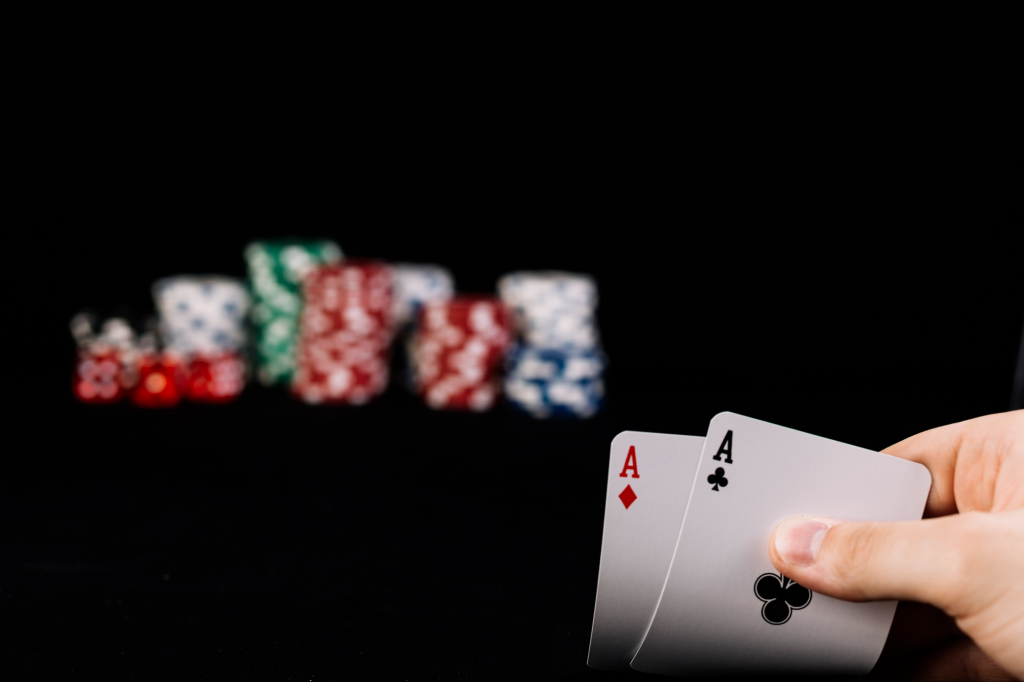
A film does not need a car chase to make viewers grip the armrest. Sometimes all it needs is a card turned over slowly, a suitcase opened in bad light, or a hero putting everything on one impossible choice. The “big gamble” is one of cinema’s cleanest engines because it makes risk visible. One decision, one silence, one look across the table – and the whole story tilts.
Cinema loves gambling because every bet creates a visible question: will nerve, luck, or foolishness win this time? That appetite explains why casino imagery translates so easily to screen language; in a film-minded reading, slimking casino is useful as a modern example of how gambling drama has moved from smoky rooms to digital rituals: cards, reels, wallets, pauses, verification screens, and the small human hope that the next moment might bend the story.
Why the Big Gamble Works on Screen
A gamble is faster than a speech. It compresses desire, fear, pride, and consequence into one action. A character may say they are desperate, but the audience believes it more deeply when they risk rent money, a friendship, a title shot, or their own reputation. That is why gambling scenes fit so many genres. In a crime thriller, a bet can expose who is bluffing. In a sports drama, it shows the cost of ambition. In a romantic comedy, it becomes a reckless grand gesture. In a masala entertainer, it can turn into a crowd-pleasing test of courage, complete with music, sweat, close-ups, and a hero who looks finished until the final second.
Suspense Lives in the Waiting
The best gambling scenes understand delay. A director does not rush the result because the result is rarely the most interesting part. The interesting part is the space before it: the glance, the breath, the fake confidence, the friend watching from the corner, the villain pretending not to care. Editors stretch those seconds with cutaways. Sound designers lower the room noise until a chip sliding across felt becomes thunder. Cinematographers frame hands because hands betray people before faces do. The audience starts reading tiny movements as clues, even when no clue is there.
| Cinematic tool | How it creates tension | What the audience feels |
| Close-up | Turns a small object into an event | “This detail matters” |
| Silence | Removes distraction | “Something is about to break” |
| Repeated cuts | Shows who is watching whom | “Everyone has a secret” |
| Delayed reveal | Holds back the outcome | “I need to know now” |
| Reaction shot | Shows the emotional cost first | “The result has consequences” |
This is why a card scene can feel larger than an explosion. The danger is not always physical. Sometimes the danger is embarrassment, exposure, or the collapse of a carefully built lie.
The Audience Becomes a Player
A clever film turns viewers into gamblers without asking them to place anything. We calculate odds, suspect the quiet character, and remember a detail from twenty minutes earlier as if it were evidence. That participation is addictive. The audience is no longer just watching action unfold; it is mentally leaning across the table. This is also why the device travels well across languages and film industries. Whether the scene appears in a slick urban thriller, a loud commercial entertainer, or a smaller character drama, the basic grammar is instantly readable.
Luck, Skill, and the Morality of Risk
Cinema rarely treats gambling as only entertainment. The big gamble usually asks a moral question: is the character brave, reckless, cornered, or corrupt? The same action can look heroic in one film and pathetic in another. A hero betting on a friend’s innocence feels noble. A father risking his family’s future feels tragic. A villain gambling with someone else’s life feels monstrous. The drama comes from context, not from the bet alone.
Now, it’s in the screenwriting that it gets tricky. If the gamble is too random, the viewers feel cheated. If the outcome is too predictable, tension dies. The strongest scenes make luck and character collide. The result may be uncertain, but the choice should feel inevitable once we understand who the person is.
Why Filmmakers Keep Returning to the Table
Gambling spaces are naturally cinematic. They gather strangers under artificial light. They create rules everyone claims to understand, then reveal how easily rules bend under pressure. They allow class, ego, temptation, performance, and desperation to sit in the same frame. A casino floor, a backroom card game, a racecourse, a betting counter, or even a phone screen can become a theatre of faces. Nobody is fully relaxed. Everyone is hiding hope or panic. For a director, that is gold.
The Moment After the Bet
Audiences do not love gambling scenes simply because they involve winning or losing. They love them because they make private hunger public. For a few minutes, a character cannot pretend to be reasonable. Desire has taken form. Fear has a shape. Pride has a price. That is the cinematic magic of the big gamble. It turns uncertainty into spectacle without needing to explain why uncertainty matters. We already know. Every viewer has, at some point, wanted one moment to change everything.